19, Feb 2025
All-on-6 Dental Implants: Rebuild Your Smile and Reclaim Your Confidence
Rehabilitation of missing teeth has come a long way from removable or semi-fixed compl...
Read More →Missing one tooth or several teeth?
Explore options for single-tooth replacement, multiple missing teeth and a full arch. An individual assessment helps identify treatment suited to your oral health and bone support.

A dental implant is a small post placed in the jawbone to support a replacement tooth or teeth. It acts as an artificial tooth root and can support a crown, bridge or denture, depending on the treatment planned.
A single-tooth implant restoration usually has three parts:
Your clinician plans the implant position and replacement teeth together, taking your bite, gum health and available bone into account.
An implant-supported crown can replace one missing tooth without using neighbouring teeth to support a conventional bridge. The crown is planned to fit your bite and the surrounding teeth.
Explore single-tooth implantsWhen several teeth are missing, an implant-supported bridge may be an option. You may not need one implant for every missing tooth. The number and position depend on the gap, bone support and design of the replacement teeth.
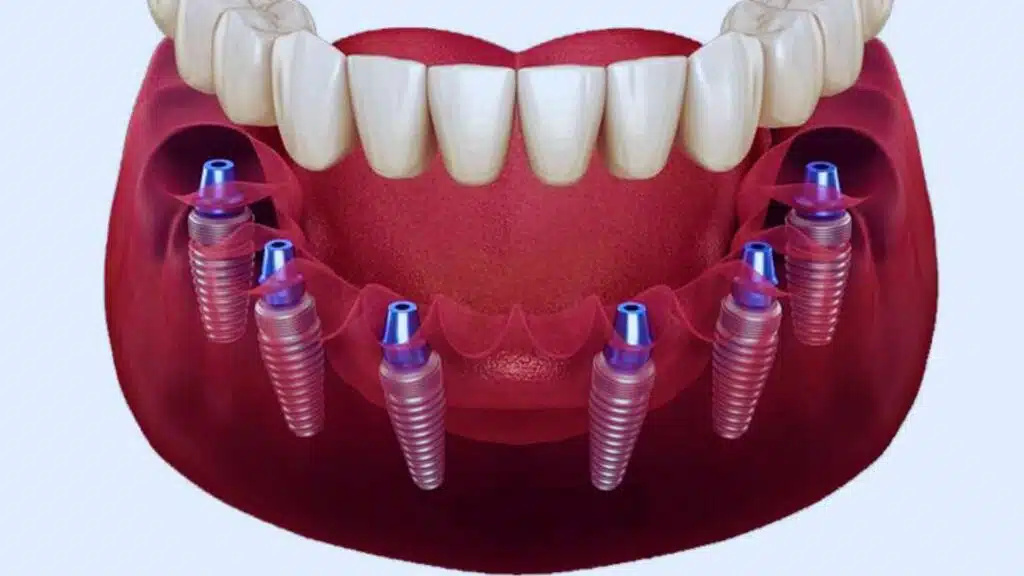
A full-arch restoration replaces a complete upper or lower set of teeth. All-on-4 and All-on-6 are approaches that support a fixed arch on four or six implants. Suitability depends on assessment; treating both arches requires a separate plan for each jaw.
Explore full-mouth implant treatmentImplant fixtures are commonly made from titanium or titanium alloys; ceramic options also exist. The fixture material is different from the material used for the crown or bridge above it. During planning, ask which implant system and replacement tooth material are proposed, why they suit your case and what maintenance they require. Your clinician can explain the options available for your treatment.
Dental implant cost in India depends on the teeth being replaced, the implant system, the final crown or bridge and any additional treatment needed. A single-tooth estimate and a full-arch estimate cover different treatment scopes, so the price should always state what it includes.
The main factors affecting your estimate are:
When comparing Orthosquare dental implant prices, check whether the estimate covers the implant fixture, abutment and replacement teeth. Ask for a written breakdown of imaging, temporary teeth, preparatory procedures and reviews. Your plan should also explain what future maintenance may cost.
| Treatment | Estimate unit | Check your quote for |
|---|---|---|
| Single tooth implant | One replacement tooth | Implant, abutment and final crown, with any additional procedures identified. |
| Multiple tooth replacement | The planned implants and bridge | Number of implants, replacement teeth and restoration material. |
| Full arch replacement | One upper or lower arch | Implant system, temporary teeth, final restoration and relevant procedures. |
| Both arches | Upper and lower arches | A clear plan and treatment scope for each jaw. |
All-on-4 and All-on-6 prices should state whether the estimate covers one arch or both arches. The final cost also depends on the implant system, temporary and final replacement teeth, and any extractions or grafting included in your plan.
If affordability is a concern, ask which suitable options are available and compare the full cost, including future maintenance. Where payment options are offered, ask about eligibility, charges and the total amount payable.

Tell us your preferred location and how to contact you. Our team can help you arrange an assessment and explain the next steps.
Request an Implant Consultation
Dental implants may be suitable for adults with missing or failing teeth, but they are not the right choice for everyone. Your clinician assesses:
Some patients need gum treatment or bone grafting before implant placement. Tell your clinician about diabetes, previous jaw treatment and all medicines you take. An assessment is needed before suitability can be confirmed.
Your clinician examines your mouth, reviews your medical history and recommends imaging where needed to assess bone and nearby structures.
You discuss suitable options, alternatives, costs and expected stages. Preparatory care may include gum treatment, removal of teeth that cannot be retained or bone grafting.
The implant is placed in the planned position, usually under local anaesthesia. The surgical approach depends on your treatment and whether additional procedures are needed.
The surrounding bone heals around the implant in a process called osseointegration. Your clinician checks healing and explains whether a temporary tooth or teeth can be used during this stage.
When the implant is ready, the crown, bridge or other restoration is fitted and your bite is checked. You receive instructions for cleaning and ongoing reviews.
Treatment usually involves several appointments over a period of months. The timeline depends on healing, the replacement teeth and whether extractions or grafting are needed.
In selected cases, a temporary fixed tooth or bridge may be fitted soon after implant placement. This is called immediate loading. It depends on implant stability and other clinical criteria; it does not mean bone healing or the final restoration is complete. Your clinician will explain the timing planned for you.
Implant treatment can improve the stability of replacement teeth and help with chewing and appearance. A single implant can also avoid preparing neighbouring teeth for a conventional bridge. The expected benefit depends on the restoration and your oral health.
Bridges and dentures remain suitable options for some patients. Your clinician can help you compare them with implants.
| Option | How it is supported | What to consider |
|---|---|---|
| Implant-supported crown or bridge | Implants placed in the jawbone | Involves surgery, assessment of bone support and long-term cleaning and reviews. |
| Tooth-supported bridge | Neighbouring natural teeth | May involve preparing the supporting teeth; their condition affects suitability. |
| Conventional removable denture | Gums and, where applicable, remaining teeth | Can be removed for cleaning; fit, stability and adjustment needs vary. |
Explore implant care through Orthosquare's clinic network across India. Your consultation helps you understand the proposed treatment, where appointments would take place and who would provide your care.
Your oral health and replacement needs guide the discussion of treatment options, including alternatives to implants.
Discuss the proposed restoration, expected stages and what your estimate covers before deciding how to proceed.


Ask about cleaning, review appointments and support for your replacement teeth, so you understand your long-term care needs. Meet our implantologist
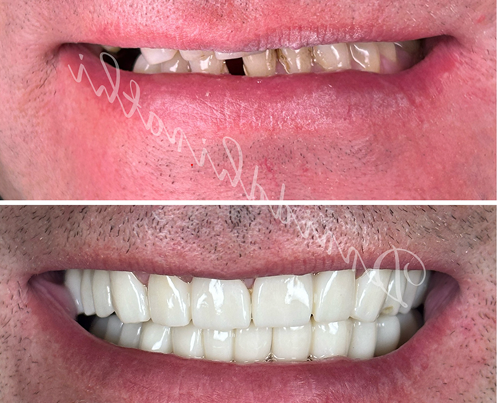
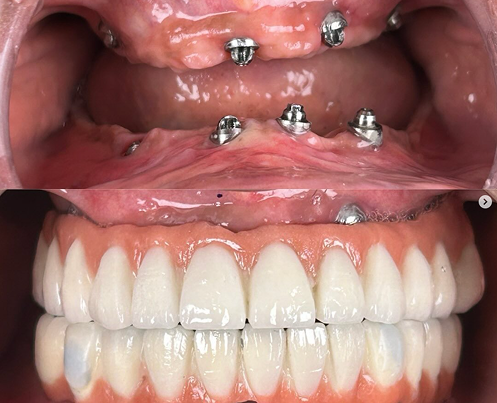
See examples of implant treatment for missing teeth. Each case has a different starting point, treatment plan and outcome. Results vary, and an assessment is needed to understand what may be suitable for you.
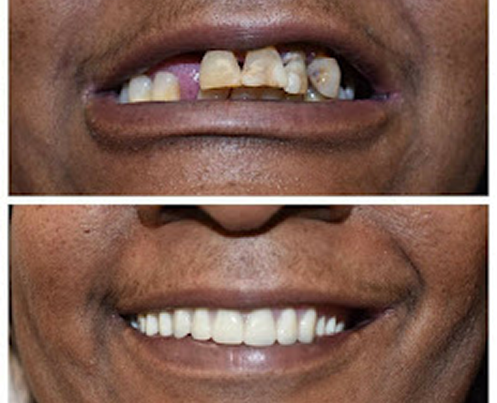
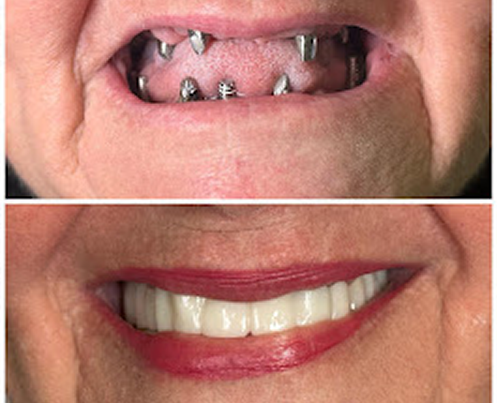
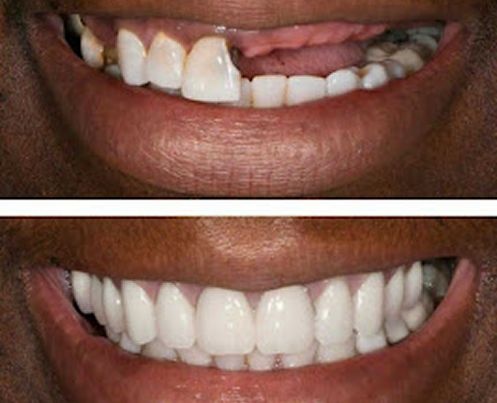
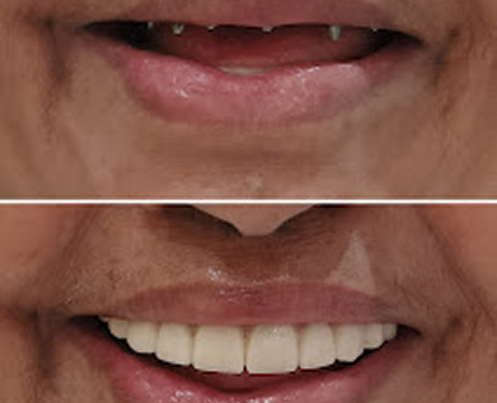
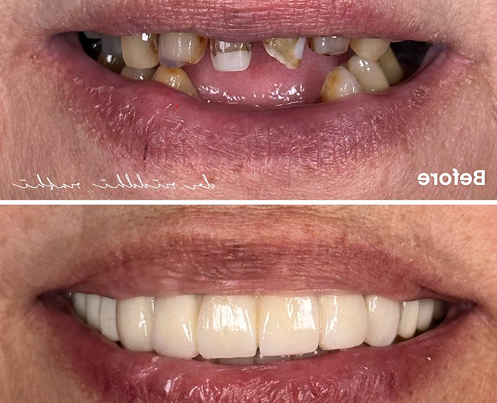
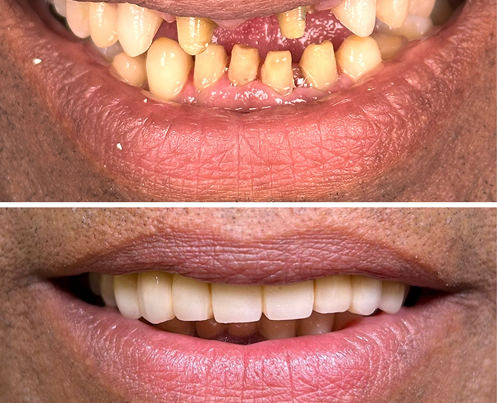
Hear patients describe their treatment and care at Orthosquare. Individual experiences do not predict the outcome of another person's treatment.
Missing Teeth, One Solution: Watch life after dental implants
Read our expert articles to get the answers you need!
Rehabilitation of missing teeth has come a long way from removable or semi-fixed compl...
Read More →
All on 4 dental implants are probably something you are looking to get as a reliable, lo...
Read More →
Undeniably, dental implants are among the most popular today in terms of missing teeth. ...
Read More →
One of the most often used and currently trending restorations to replace missing teeth...
Read More →
Loss of one or more teeth can drastically hamper the ability to chew, smile, speak, ...
Read More →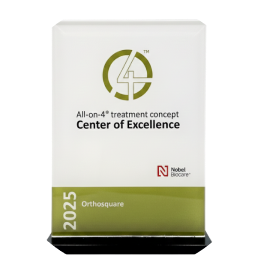
Orthosquare is proud to be recognized as the All-on-4 Treatment Center of Excellence in 2025. This prestigious award reflects our commitment to providing exceptional care and innovative solutions for our patients seeking dental implants. Our team of skilled professionals utilizes advanced techniques and state-of-the-art technology to deliver transformative results, ensuring every patient leaves with a smile.
Check your written estimate for the implant, abutment and final replacement teeth. It should identify imaging, temporary teeth, extractions or grafting where needed, and which reviews are included. Ask about any additional charges before treatment.
An individual estimate is needed because the implant system, restoration and additional procedures affect the price. Check whether the amount covers one arch or both arches, and whether temporary and final teeth are included.
Implant placement is usually performed under local anaesthesia to numb the area. Soreness or swelling can occur afterwards. Your clinician will explain pain management and recovery for your procedure.
Implants can provide a long-term replacement option, but lifetime performance cannot be guaranteed. Oral hygiene, health and regular maintenance affect longevity. The crown, bridge or other components may need repair or replacement.
Not always. Several missing teeth may be replaced with an implant-supported bridge. The number of implants depends on the restoration, bite and available bone.
Diabetes does not automatically rule out implants. Blood glucose control, oral health and other medical factors need assessment because they can affect healing and infection risk. Share your medical history with your clinician.
Age alone does not determine suitability. General health, bone support and the ability to maintain the restoration matter. Implants are generally considered after jaw growth is complete.
Some patients need grafting when there is insufficient bone for the planned implant. Imaging and examination help your clinician decide whether it is required and how it affects the treatment timeline.
A temporary tooth or denture may be possible, depending on the area and treatment plan. Ask about temporary options before treatment. A temporary fixed restoration is suitable only in selected cases.
Yes. An implant may fail to integrate or develop problems later. Smoking, gum disease and inadequate cleaning can increase risks. Your clinician will explain prevention, maintenance and possible alternatives.
Find out which options may suit your missing teeth. Book an Orthosquare consultation to discuss assessment, treatment stages and the costs of your individual plan.